
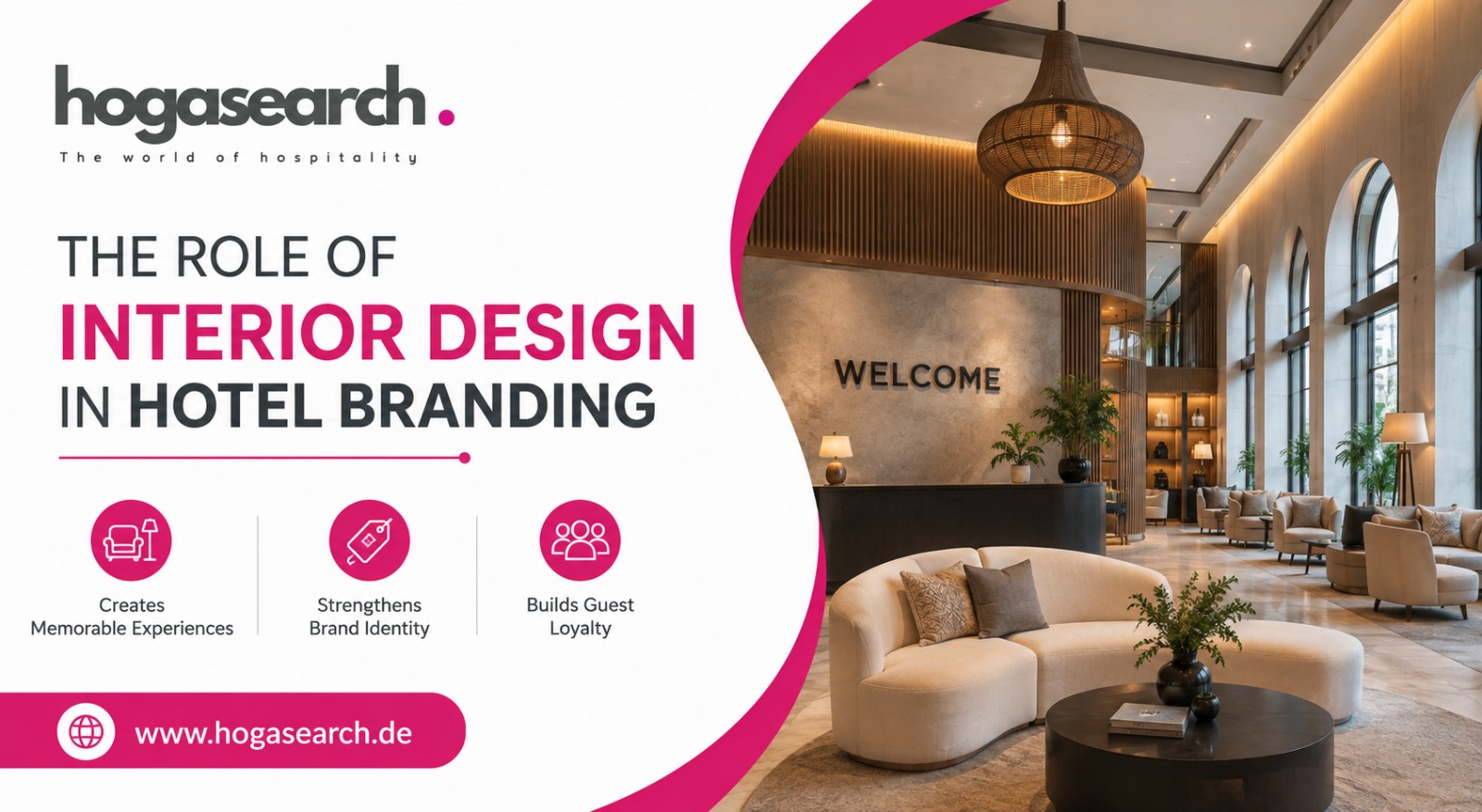
Guests usually judge a hotel’s brand long before they ever experience the service. From the moment they walk through the door, they’re already forming opinions – based on the atmosphere, the materials underfoot, the lighting overhead, the way the space is laid out. Every choice a designer makes ends up saying something about the property’s personality, its values, and what it’s actually promising guests.
Thoughtful Hotel Interior Design turns a building into somewhere people actually remember. It’s not just about creating spaces that look good in photos – it shapes how guests feel while they’re there, how they interact with their surroundings, and what sticks with them once they’ve checked out. In a hospitality market this competitive, interior design might be one of the strongest branding tools a hotel has.
Your Brand Should Be Visible in Every Space:-
A strong hotel brand is bigger than a logo or a colour palette. It needs to show up consistently across the entire guest journey, from the moment someone arrives to the moment they leave.
Every part of the property plays a role, including:
- Reception and lobby design
- Guest rooms and suites
- Restaurants and lounges
- Corridors and shared spaces
- Outdoor terraces and wellness areas
Good hospitality interior design creates a visual thread that ties all of this together, reinforcing the hotel’s identity at every point a guest actually notices it.
First Impressions Set the Tone:-
Most guests decide how they feel about a property within the first few minutes of walking in.
The entrance and lobby do a lot of the heavy lifting here, through details like:
- Natural and architectural lighting
- Material finishes
- Furniture selection
- Artwork and decorative features
- Spatial openness
- Wayfinding and circulation
Get the arrival space right, and it builds confidence almost instantly – guests feel welcomed and want to explore the rest of the property.
Design Tells a Story:-
The hotels people actually remember aren’t the ones chasing trends. They’re the ones with a distinct identity of their own.
Take properties in the Balearic Islands, for example – design there tends to lean into local character, using natural materials, regional craftsmanship, and architectural influences that feel rooted to the place. Stone, timber, ceramics, woven textiles, handcrafted furnishings – these all combine to create something that feels authentic, not interchangeable with any hotel anywhere else.
That’s ultimately what strengthens hotel brand identity – giving guests something that feels genuinely tied to where they are, rather than a template dropped into a new location.
Create a Memorable Sensory Experience:-
Interior design shapes far more than what guests actually see.
A well-planned environment thinks through every sensory detail, including:
- Warm, layered lighting
- Comfortable acoustics
- Natural textures
- Inviting scents
- Comfortable furniture
- Balanced colour palettes
Put all of this together thoughtfully, and you get a stronger overall hotel guest experience – spaces where people genuinely relax, feel at ease, and are more likely to book again next time.
Good Design Supports Better Operations:-
Beautiful interiors are only half the job – they should also help the hotel actually function well. Efficient layouts let staff move between operational areas without friction, while guests still find their way around naturally. Public spaces, restaurants, meeting rooms, and guest accommodation need to flow logically, without compromising anyone’s privacy or comfort.
The best hotel design finds the balance between how a space looks and how it actually works day to day, supporting both guest satisfaction and the practical realities of running the property.
Local Character Creates Lasting Value:-
Travellers today tend to care more about authentic experiences than generic luxury.
Hotels that lean into local craftsmanship and regional design traditions often leave a stronger impression, particularly through:
- Locally sourced natural materials
- Bespoke furniture
- Regional artwork
- Traditional craftsmanship
- Indoor-outdoor living inspired by the surrounding landscape
Instead of chasing whatever’s trending this season, features like these give a hotel character that actually lasts.
Interior Design Shapes Different Hotel Concepts:-
Every hospitality brand has its own personality, and the interior needs to reflect that rather than fight against it.
A couple of examples:
Luxury hotel design tends to focus on refined materials, exceptional comfort, bespoke detailing, and guest experiences that feel genuinely elevated.
Boutique hotel design usually leans into individuality – local culture, distinctive storytelling, interiors that feel carefully curated rather than mass-produced.
Different approaches, same underlying goal: creating spaces guests recognise instantly and remember long after.
Choosing the Right Design Partner:-
A hotel project only comes together properly with people who understand both design and hospitality operations – the two don’t always overlap as naturally as you’d think.
Experienced hotel interior designers think about guest expectations, operational efficiency, sustainability, and brand positioning from the very earliest planning stages. For projects involving hotel interior design in Germany, working with specialists who already know the regional regulations, construction standards, and hospitality trends tends to make the whole delivery process considerably smoother.
Designing Spaces That Define Your Brand:-
Exceptional hotel interiors do more than impress on first glance – they shape how guests experience the property, what they remember about their stay, and how they connect with the brand afterward. Combine thoughtful planning, authentic storytelling, and functional design, and hotels can create environments that genuinely stand apart in a crowded hospitality market – and leave an impression that lasts well past check-out.
Looking for inspiration for your next hotel design project? Explore HogaSearch to discover curated hospitality brands, inspiring interiors, and trusted suppliers that help turn hotel concepts into memorable guest experiences.
Frequently Asked Questions
Why is hotel interior design important for branding?
Interior design shapes the visual and emotional identity of a hotel, helping guests recognise, remember, and connect with the brand throughout their stay.
How does hospitality interior design improve the guest experience?
Well-designed spaces improve comfort, make navigation easier, create memorable atmospheres, and support better guest interactions from arrival right through to departure.
What makes luxury hotel design different?
Luxury hotels tend to focus on premium materials, bespoke craftsmanship, personalised experiences, and a timeless design language that reflects genuinely high quality.
How does boutique hotel design strengthen a brand?
Boutique hotels often express a distinct personality through local influences and carefully curated interiors, which creates a guest experience that actually stands out.
What should hotels look for in hotel interior designers?
Look for designers with real hospitality experience, a strong portfolio, a solid grasp of operational requirements, and the ability to turn your brand identity into functional, guest-focused spaces.